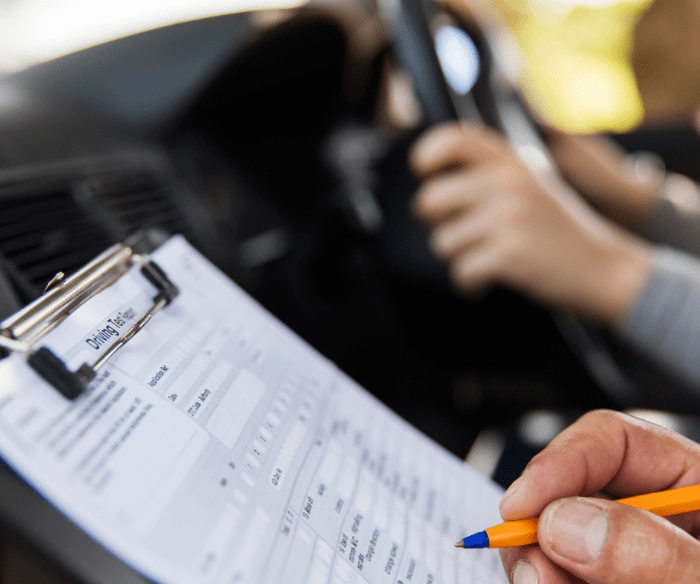
Getting your California driver’s permit is a major milestone, especially for any teen driver or new resident navigating the Department of Motor Vehicles for the first time. Whether you are at least 15, applying through driver’s education, or preparing to turn 18, understanding how the California DMV process works will dramatically increase your chances to pass on the first try.
This step-by-step guide breaks down exactly how to get a drivers permit in California, what documents you need, how the permit test works, and what happens after you get your instruction permit. Everything here is taken from the California Driver’s Handbook and DMV California requirements, so you can move forward with confidence.
Who Needs a California Driver’s Permit?
A California permit, also called a learner’s permit or provisional instruction permit, is required before you can legally practice driving on public roads.
Age requirements
Ages of 15½ to 17½
You must complete a DMV-approved driver education and driver training program. This includes both classroom instruction and behind-the-wheel driver training through a certified driving school.
17½ and older
You can get your instruction permit without completing drivers ed, but you must wait until you turn 18 to get your driver’s license.
Other applicants
- New residents moving from another state or country
- Applicants without a valid California driver license
- Individuals applying for a provisional license for the first time
If you already hold a valid California driver license, you do not need to apply for a driving permit again.
Step-by-Step: How to Get Your Permit in California
Step 1: Complete Driver’s Education
Driver education is required for anyone under 17½. The course must be DMV-approved and can be completed online or in person.
This education course covers traffic laws, road safety, signs, and defensive driving basics. Once finished, you will receive a certificate of completion, also called a certificate of completion of driver education, which is required to move forward.
If you are unsure what drivers ed includes, check this resource on what is drivers ed for a full breakdown.
Step 2: Gather Required Documents
Before you go to the DMV office, make sure you have all required paperwork ready. Missing documents are the number one reason applications get delayed.
You will need:
- Proof of identity and residency
An identity document such as a birth certificate or passport showing your true full name - Social Security Number
- Proof of California residency such as school records or a utility bill
- Driver education certificate of completion
DL 400C or OL 237 for minors - Proof of insurance may be requested in some cases
- A parent or guardian signature if you are under 18
- All documents are reviewed by the California DMV to verify eligibility for a provisional instruction permit.
Step 3: Make a DMV Appointment
To avoid long wait times, always schedule ahead.
- Book online using the official DMV website
- Select “Instruction Permit” or “license or ID card” services
- Appointments are available at DMV offices statewide
You can see the DMV California system update availability daily, so booking early gives you the best flexibility.
Step 4: Fill Out the DL 44 or DMV Application
You can complete the application online or at the DMV office.
- Application online is faster and reduces time spent inside the office
- Minors must have the form signed by a parent or guardian
- Ensure your full name matches your identity document exactly
Errors here can delay getting your California permit.
Step 5: Take the Knowledge Test
The written test, also called the permit test, is one of the most important steps.
Here is what to expect:
- 46 questions total
- You must answer at least 38 correctly to pass
- Topics include traffic laws, signs, fines, and safety scenarios
- A vision test is required, so bring glasses or contacts if needed
- You must pass a vision test before proceeding
- If you fail, you get 3 chances total. These are your official 3 chances to pass, so preparation matters.
Studying the California Driver’s Handbook and taking a practice test significantly increases your chances to pass on the first attempt.
Step 6: Pay the Application Fee
The application fee covers:
- The instruction permit
- The future road test
- The driving test required for a driver’s license
- The current fee is approximately $41, though it may change. Always confirm at the DMV website or see the DMV directly for updated pricing.
Step 7: Get Your Temporary Permit
Once you pass the written test and vision test:
- You receive a temporary paper driving permit
- Your official card is mailed later
- You must drive with a licensed adult who is 25 or older, a spouse or adult, or another qualifying supervisor
You can now legally practice driving, but only under supervision.
What Happens After You Get Your Permit?
If you are under 18, the rules are strict.
- You must hold the permit for 6 months at least
- Complete 6 hours of behind-the-wheel driver training with a certified instructor
- Complete 50 hours of supervised practice driving, including nighttime driving
- Log all hours using DMV forms
This permit for 6 months requirement must be met before you can take the driving test.
Once completed, you can schedule your road test and officially work toward getting your California driver’s license.
Tips to Pass the California Permit Test
Passing the permit test comes down to preparation and strategy.
Study smart
- Read the California driver’s handbook carefully
- Focus on speed limits, road signs, and penalties
- Pay attention to traffic safety scenarios taken from the California DMV test pool
Practice consistently
- Take at least one online practice test
- Review mistakes and weak areas
- Understand questions taken from the California handbook
Boost your confidence
If you want to go beyond the basics, defensive driving education can help sharpen your awareness and reaction time. You can explore resources like:
- what is defensive driving
- how long is defensive driving course
- how often can you take defensive driving
These insights are especially helpful for first-time drivers preparing for real-world conditions.
How Much Does Driving School Cost in California?
Many applicants ask whether driver training is worth the investment. The short answer is yes, especially if you want higher chances to pass and safer habits long term.
Costs vary depending on location and package. You can review pricing details here:
how much is driving school
A structured driver training program ensures proper behind-the-wheel instruction, confidence, and compliance with California DMV standards.
Final Advice for First-Time Drivers
Getting your drivers permit is not just about passing a test. It is about building skills that keep you safe for life.
- Practice driving regularly with a qualified adult
- Stay consistent with your log hours
- Do not rush the process
- Follow all provisional license restrictions carefully
If you are brand new behind the wheel, these driving tips for beginners can help you avoid common mistakes early on.
Final Takeaway
Getting your California permit is a structured process, but when you understand each step, it becomes completely manageable. From driver’s education to the written test, from supervised practice driving to finally taking the road test, every phase is designed to prepare you for a safe driving future.
Stay prepared, trust the process, and before you know it, you will be getting your California driver’s license with confidence and control.